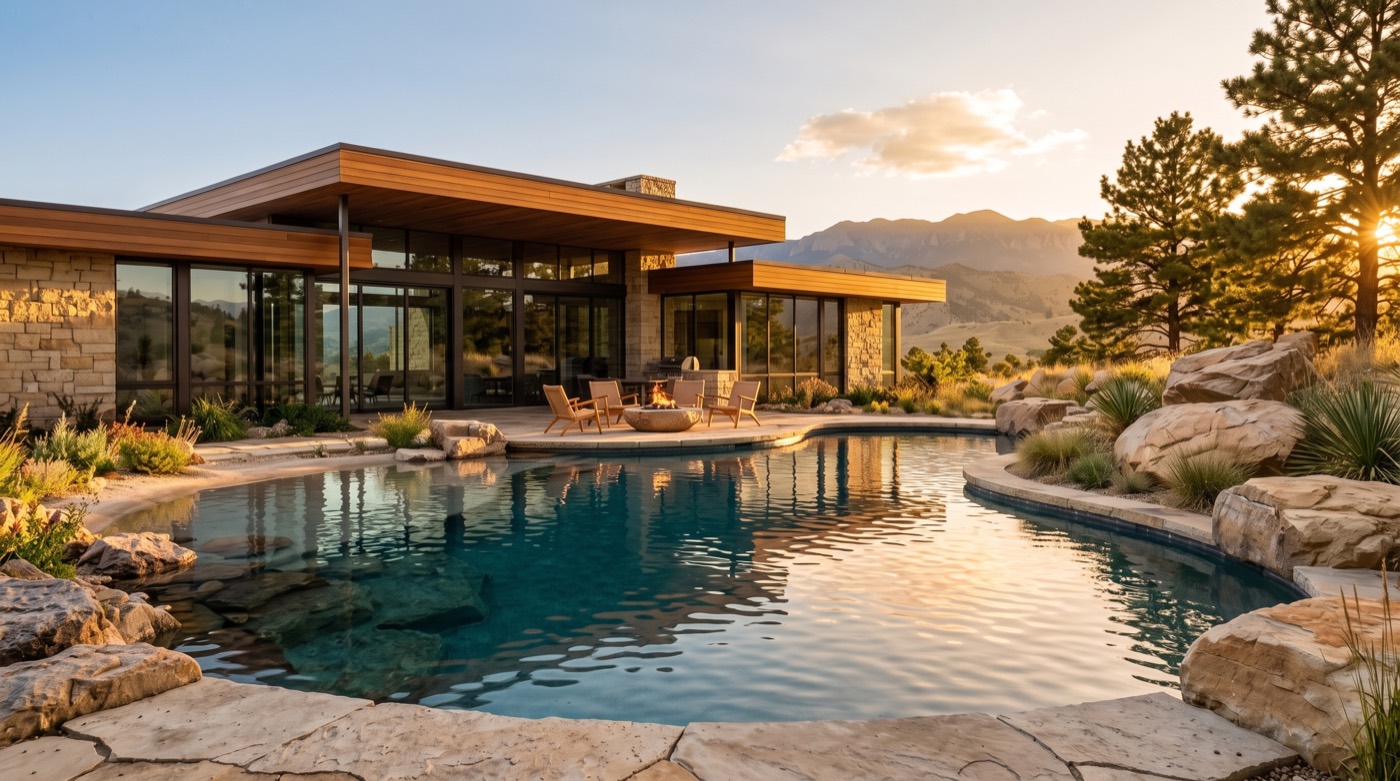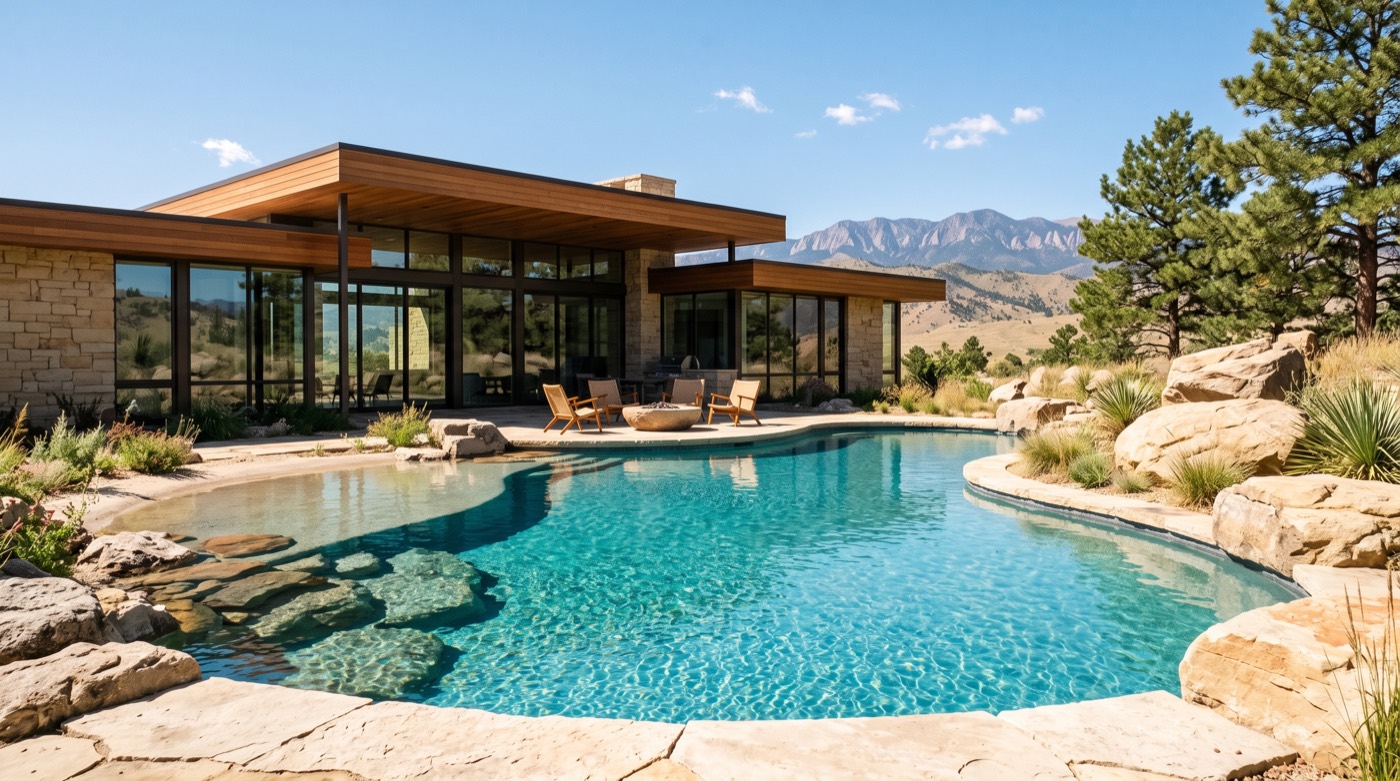
The benefits of a salt water pool
We build salt water pools, so read this knowing where we stand. We have tried to give the drawbacks the same space as the benefits, because a pool you regret is no good to either of us.
Softer water
This is the benefit people notice in the first minute. Water carrying a small amount of salt feels smoother. Swimmers commonly report less dry skin, less redness in the eyes and hair that does not feel stripped.
A steady chlorine level
A salt system adds a small amount of chlorine continuously while the pump runs. Hand-dosed pools swing between too much just after a dose and too little before the next. Holding the level steady is better for comfort and for keeping algae from getting a foothold.
Less chemical handling
You stop buying, carrying and storing chlorine as a weekly routine. For families with children or pets, not keeping buckets of concentrated chlorine in the garage is a benefit in its own right.
Less of the pool smell
That sharp smell at indoor pools is chloramines, formed when chlorine has reacted and been used up. A constant supply of fresh chlorine keeps chloramine levels low, so the water and the air above it smell cleaner.
Simpler day to day
With chlorine production automated, the regular job is testing and small corrections. Tied to automation, a salt system can be checked and adjusted from a phone, which suits owners who travel.
The drawbacks, stated plainly
It costs more to install
A salt chlorine generator is an extra piece of equipment. On a new build it is a modest share of the whole, but it is real. See what else drives the total in our cost guide.
The cell wears out
The salt cell is a consumable. Its plates lose their coating with use, and after several years it is replaced. Running it gently and keeping the water balanced makes it last longer.
Salt is hard on some materials
Soft limestone, some sandstone, low-grade stainless steel and unprotected metal do not like salt. Splash dries, salt crystallizes, and over seasons the surface suffers. The fix is to choose dense or sealed stone and salt-rated fittings at the design stage.
pH needs regular correction
Salt pools drift toward high pH. Left alone, that leads to scale and makes chlorine less effective. A small, regular dose of acid deals with it, but it has to be done.
Cold water stops production
Below roughly 50 to 60 degrees Fahrenheit, most cells shut down to protect themselves. In states with real winters, that means the shoulder seasons need chlorine from another source, or the pool is closed before it matters.
Repairs can be more specialized
A control unit is electronics. When one fails it is diagnosed and replaced, not adjusted with a wrench.
Pros and cons at a glance
| Benefits | Drawbacks |
|---|---|
| Softer, more comfortable water | Higher equipment cost |
| Steady chlorine without daily attention | Salt cell replaced every several years |
| Little chlorine to store or handle | Needs salt-tolerant stone and metal |
| Less chloramine smell | pH rises and must be corrected |
| Works well with automation | No chlorine production in cold water |
Four things people get wrong
- "It has no chlorine."
- It does. The salt system's whole job is to make chlorine. See how salt water pools work.
- "It is like swimming in the sea."
- The salt level is about a tenth of seawater, too low for most people to taste.
- "It looks after itself."
- It makes its own chlorine. It still needs testing and balancing. See the maintenance guide.
- "Salt ruins pools."
- Salt damages the wrong materials. A pool designed for salt from the start avoids the problem.
Who a salt water pool suits
- If you swim often and care how the water feels
- Salt water is worth it.
- If you would sooner not handle chlorine
- Salt water is worth it.
- If you are building new and can choose every material
- Salt water is the easy choice.
- If you are converting a pool with soft stone and old metalwork
- Get it assessed before you commit.
- If the only goal is the lowest possible cost
- Traditional chlorine will do the job. Compare them in salt water pool vs chlorine.
If you land on salt, the next step is the design itself. That is where our work on salt water pools begins.