The Modern Retreat
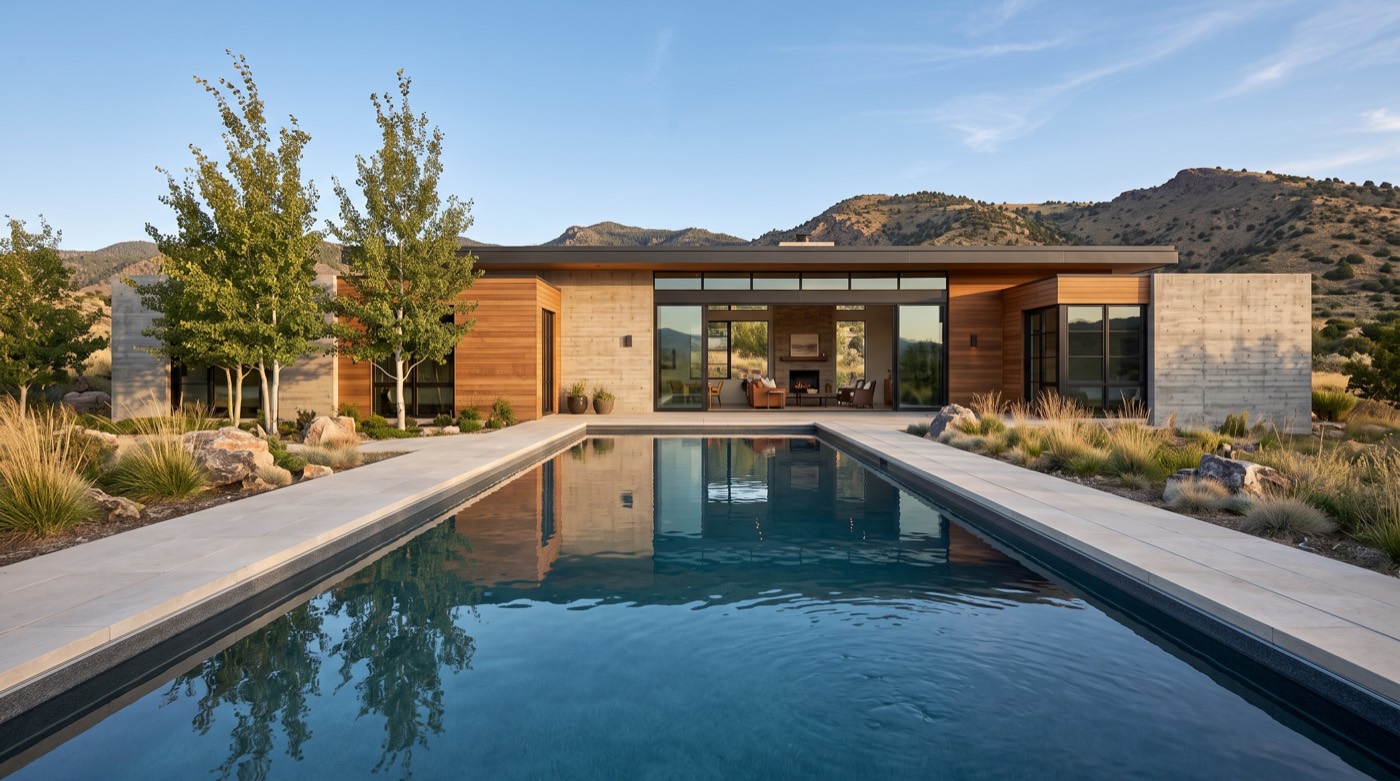
A long, exact rectangle of water set against concrete, steel and cedar. It reads as part of the house, the way a courtyard does.
Salt water pools, private lagoons and hot tubs, designed around the way you want to live.
A long, exact rectangle of water set against concrete, steel and cedar. It reads as part of the house, the way a courtyard does.
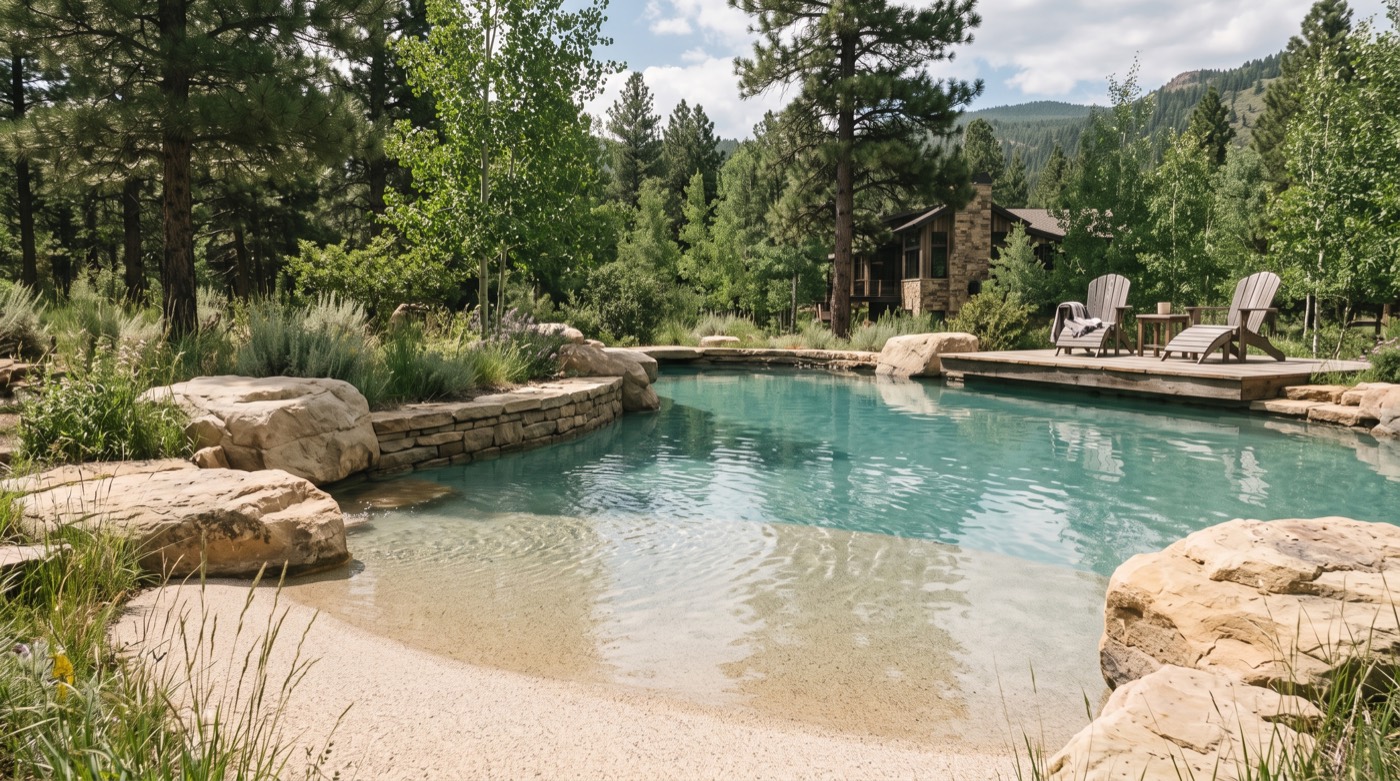
Curved edges, a walk-in beach entry and boulders set into the bank. You wade in the way you would at a lake.
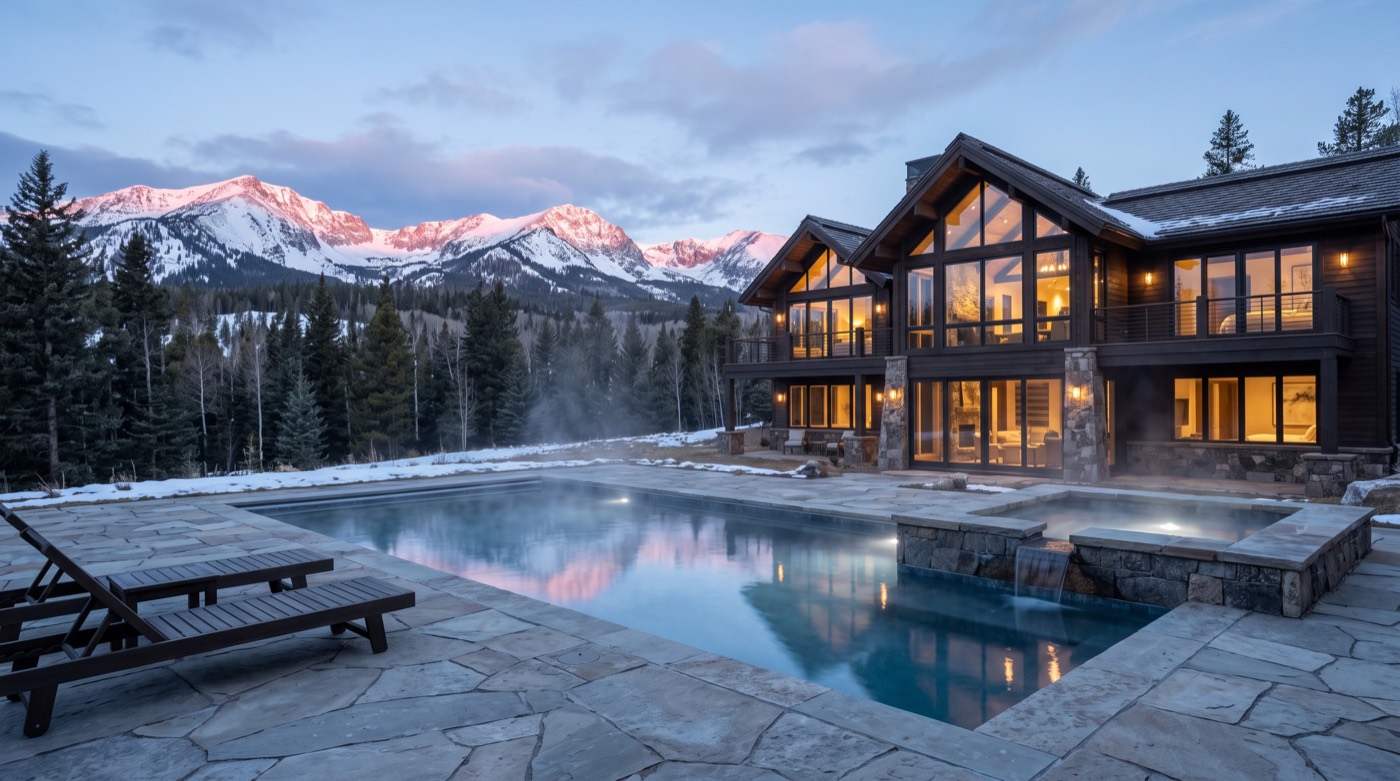
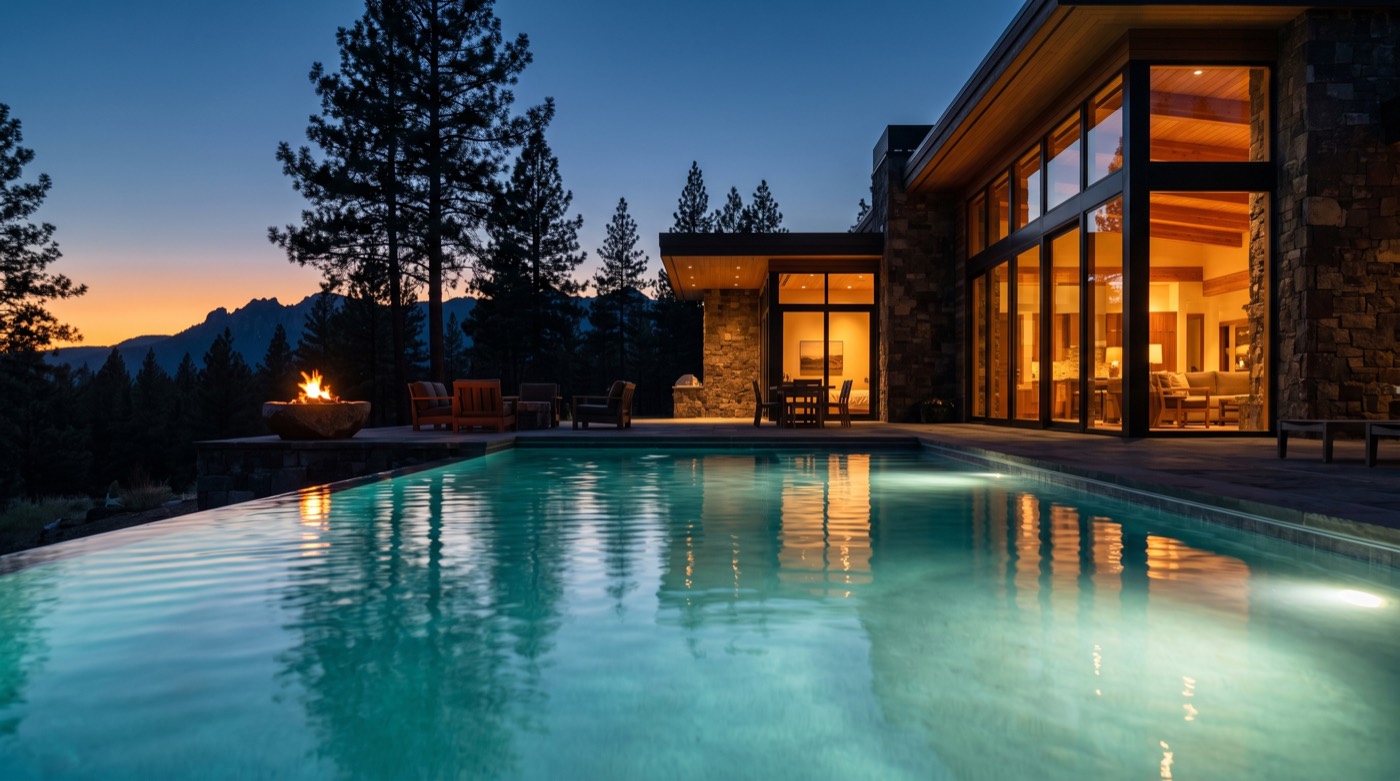
Warm water, cold air and a view that does most of the work. Made for the mornings when steam lifts off the surface.
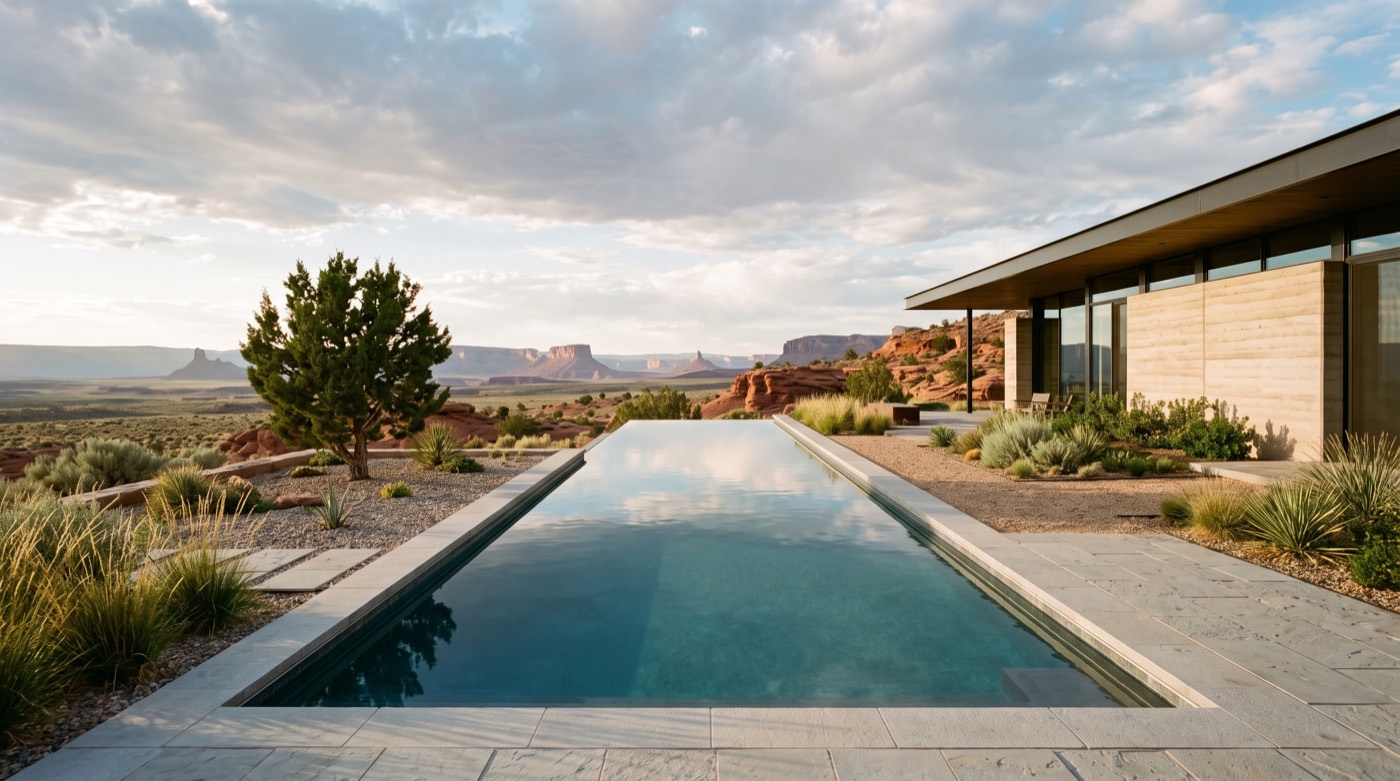
One clean edge and nothing in front of it. The water stops and the land carries on.
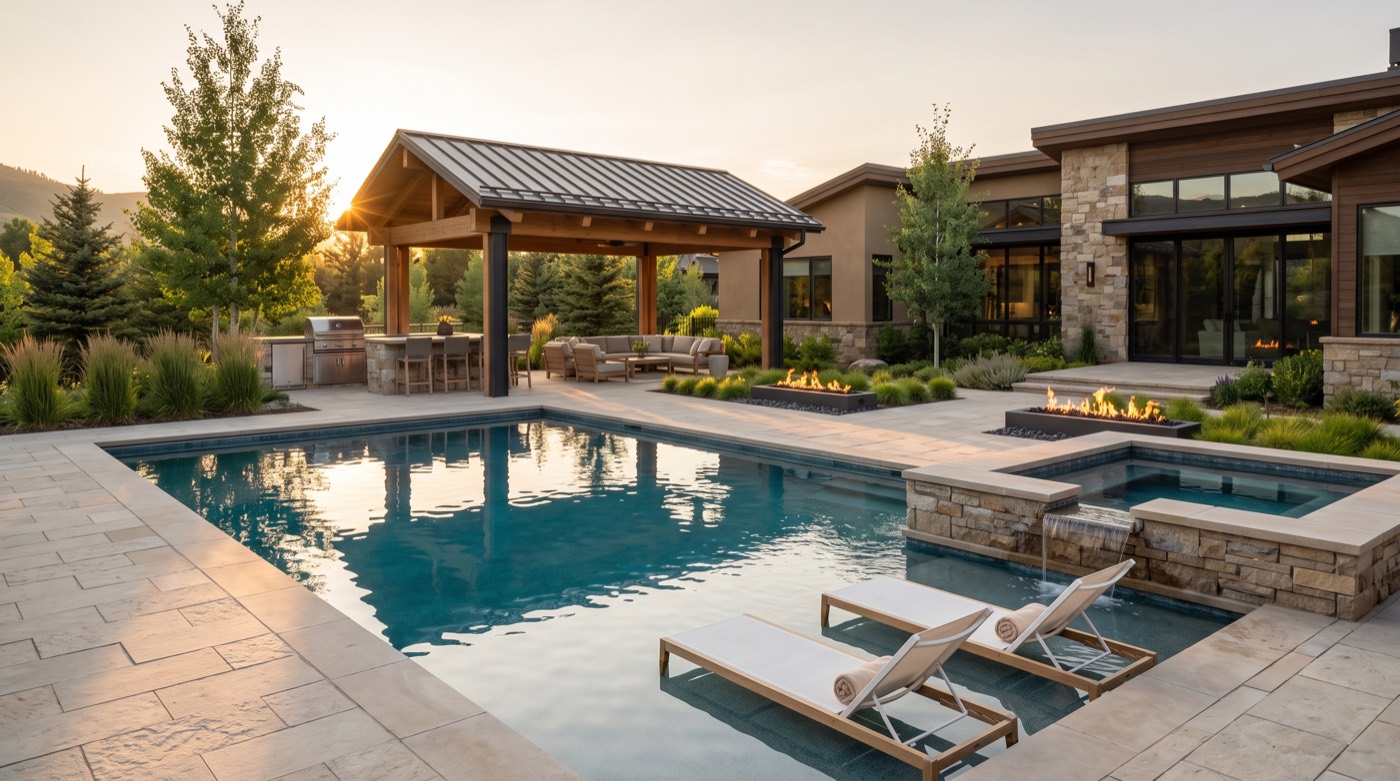
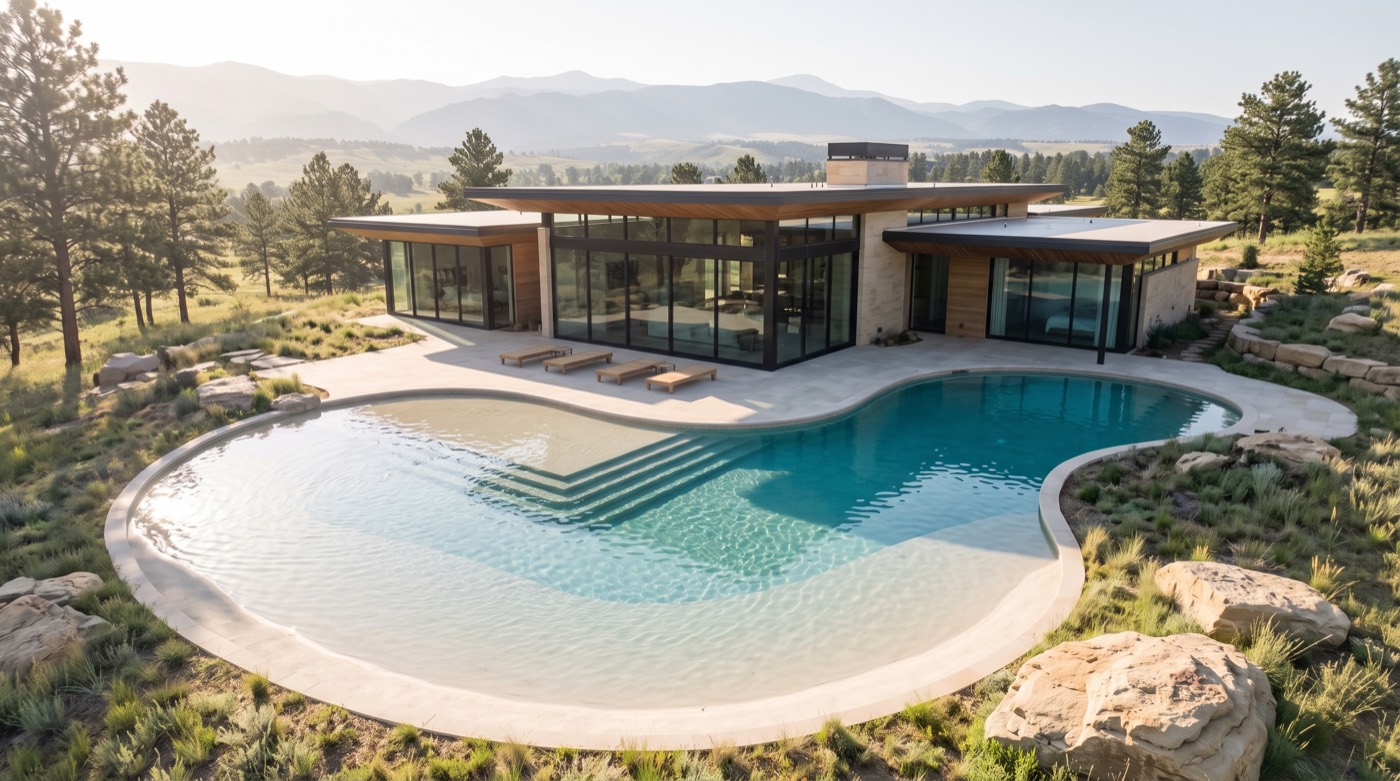
A sun shelf, a hot tub, a pavilion and somewhere to cook. Everything a good hotel gets right, without checking in.
02Possibilities
Design directions shown as concept visualizations, not photographs of completed projects.
03Water as architecture
Most pools get designed last. The house is finished, the patio is poured, and a rectangle is fitted into whatever lawn is left. We would start with the water.

Where the water sits decides what you see from the kitchen at seven in the morning, where the afternoon shade lands, and which corner of the yard people drift toward once the sun goes down. Get that right and the rest of the property starts to organize itself around it.
A salt water pool, often written saltwater pool, is still a chlorine pool. The difference is where the chlorine comes from. A salt chlorine generator passes mildly salty water across charged plates and makes chlorine on site, steadily, in small amounts. Our guide to how salt water pools work has the full picture.
So do salt water pools have chlorine? Yes, at the same levels as any well-kept pool. It is made in the equipment, not poured in from a bucket. The salt level itself is low. Pool water sits around 3,000 to 3,500 parts per million. The ocean is close to 35,000. You will not taste the sea. What most people notice is water that feels softer on skin and eyes, and less of the sharp smell they remember from public pools.
| Characteristic | Salt water pool | Traditional chlorine pool |
|---|---|---|
| Where the chlorine comes from | Made in the equipment from dissolved salt | Added by hand or feeder as tablets, liquid or granules |
| Salt in the water | About 3,000 to 3,500 ppm, roughly a tenth of seawater | No salt added |
| Day to day | Chlorine is produced continuously while the system runs | Chlorine is dosed on a schedule and rises and falls between doses |
| Still needs | Water testing and balancing, and a clean generator cell | Water testing and balancing, and safe chemical storage |
| Plan for | Salt-tolerant stone, metals and fittings near the water | Buying, handling and storing chlorine through the season |
Climate changes the brief. On the coast, salt air, wind and storm seasons decide the materials and the cover. In the mountains and high plains, strong sun, dry air and cold nights pull heat and water off the surface.
The ground matters as much as the weather: sand and a high water table in one place, clay or rock in another. None of it rules out a pool. It means the structure, the drainage, the heating and the cover belong in the first conversation, not the last. See how that plays out where we build.

04A Day Here
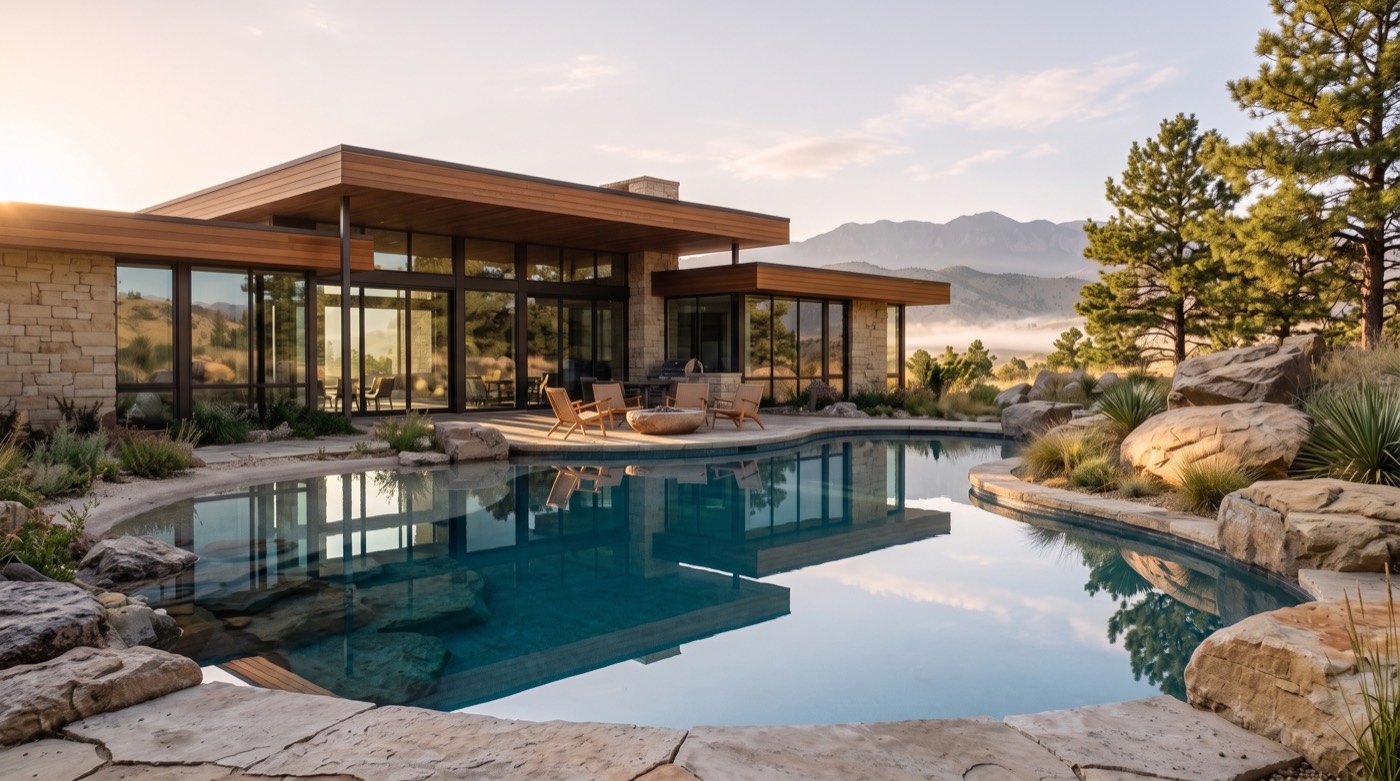
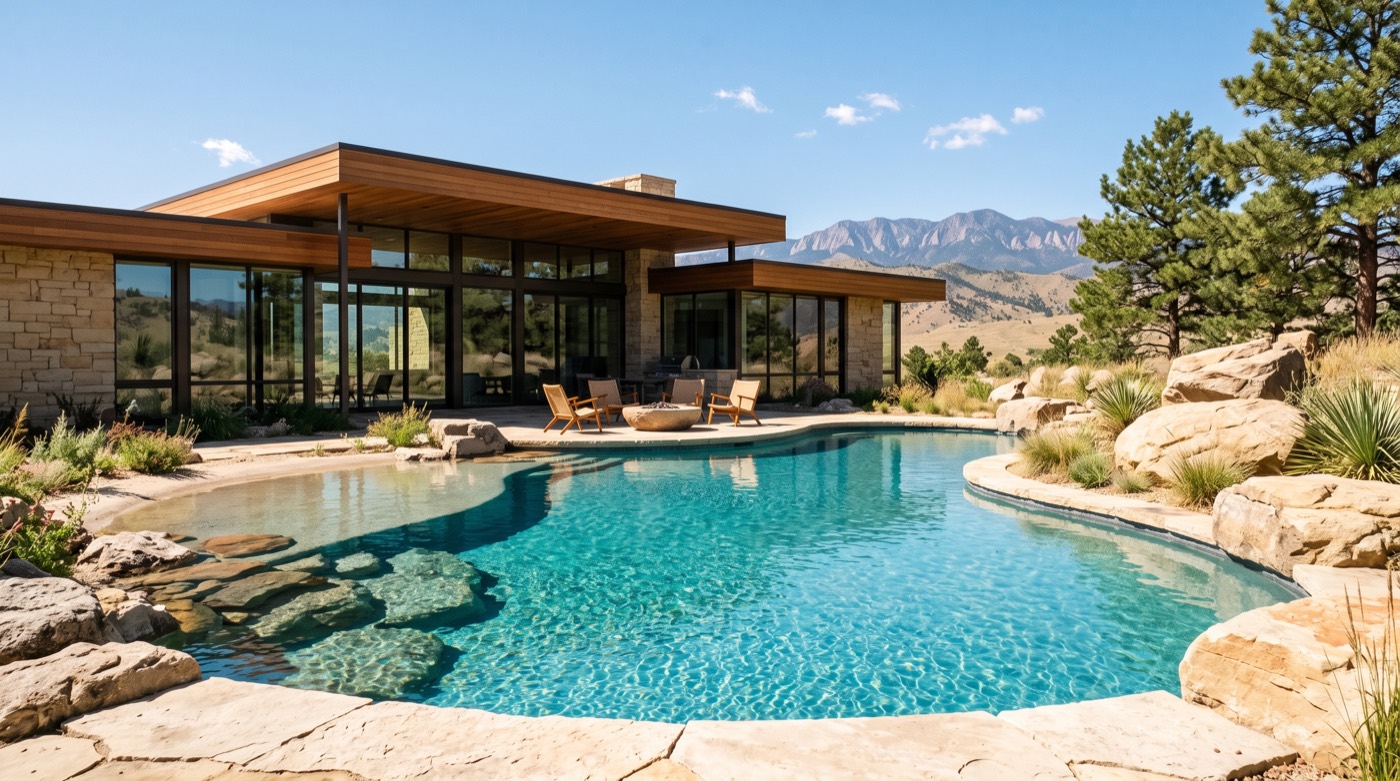
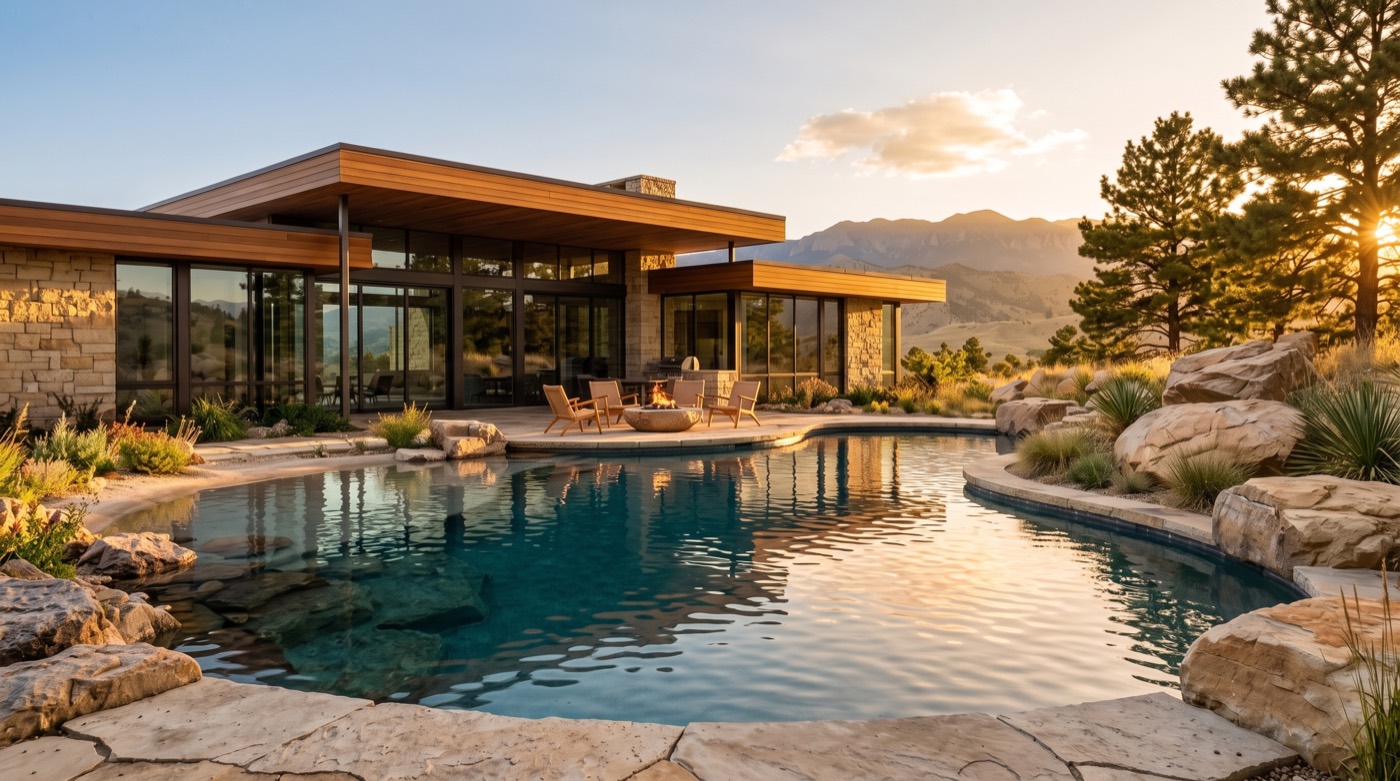
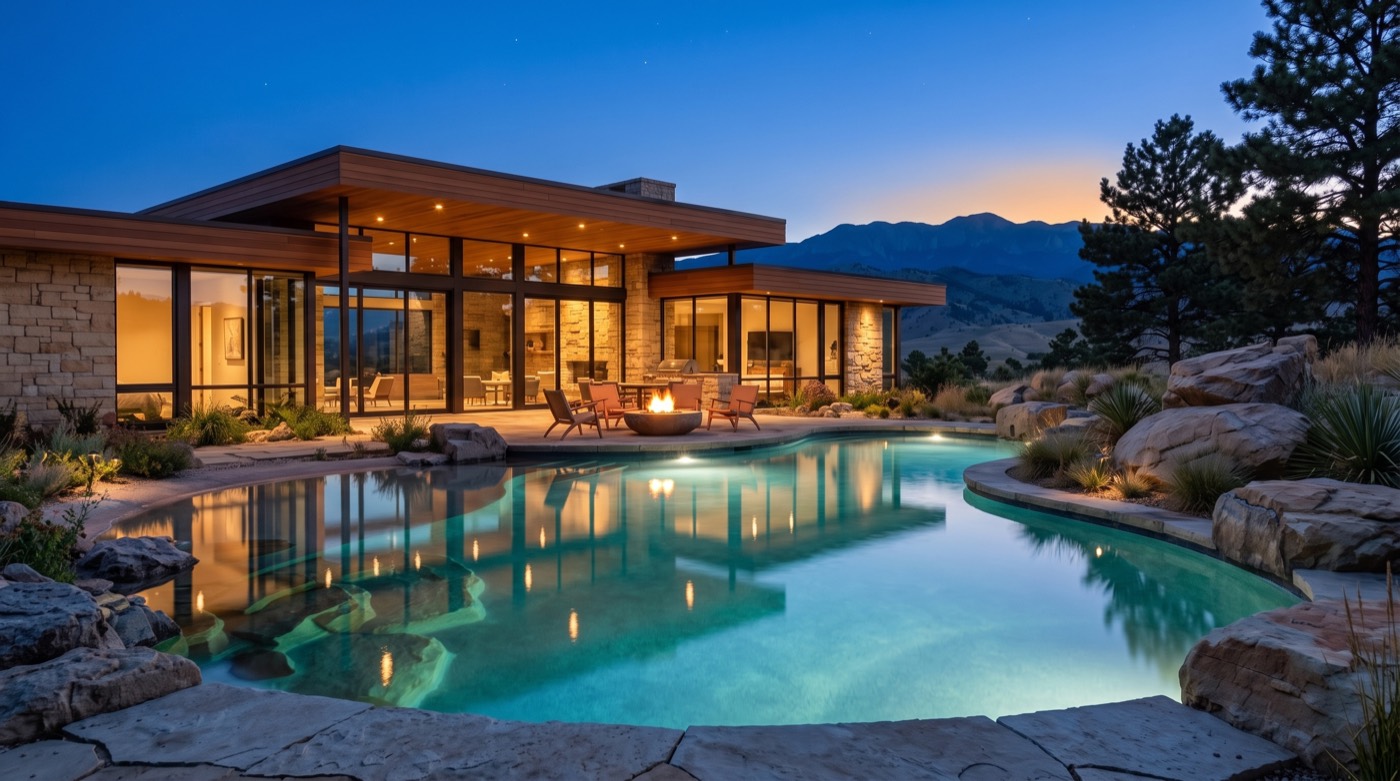
Coffee on the terrace. The water is flat enough to hold the whole sky.
Concept visualization of one design, shown at four times of day. Drag the line or choose a time.
05Craft
A pool that looks effortless is the product of a lot of unglamorous decisions. These are the ones to settle before anything is dug.
Soil type, slope and groundwater shape the structure. On difficult ground, that conversation starts with a soils report.
Where light lands at four in the afternoon, and which way the breeze pulls heat off the surface.
Sightlines from the rooms you use most, door thresholds, and how many steps it is from the kitchen.
Circulation, heating, the salt system and a cover, sized for the climate the pool sits in.
Coping, decking and planting. This is the part you touch every day, so it gets drawn at full scale.
Every property sets its own pace. See how a project runs from first conversation to first swim.
06Questions
Yes. A salt water pool is sanitized with chlorine, the same as a traditional pool. The difference is that a salt chlorine generator makes it from dissolved salt in the water, so you are not adding chlorine by hand.
Pool-grade salt is dissolved in the water at about 3,000 to 3,500 parts per million. As water passes through the salt cell, a low electrical charge converts some of that salt into chlorine. The chlorine sanitizes the pool, turns back into salt, and the cycle repeats.
It depends on what you value. Salt water pools feel softer and hold a steadier chlorine level with less handling of chemicals. Chlorine pools cost less to equip and are kinder to some stone and metal finishes. Both keep water clean when they are looked after.
Less hands-on dosing, but not none. Plan to test pH, chlorine and salt level about once a week, top up salt a few times a season, and have the salt cell checked for scale. pH tends to drift upward in salt water pools, so it needs regular correction.
Cost follows the design. Size, shape, site access, soil, the finishes you choose, heating, covers and features such as a hot tub or beach entry all move the number. The salt system is one line among many. A real figure comes after a site visit and a design conversation.
No. Seawater carries around 35,000 parts per million of salt. A salt water pool carries roughly a tenth of that, which is too little for most people to taste.
07Begin
Tell us a little about the property and what you have in mind. We will reply to arrange a first design conversation.
Background: concept visualization